
Birth Options in Texarkana: Finding the Right Path for Your Family
There’s a moment in pregnancy, sometimes quiet, sometimes overwhelming, when it all starts to feel real. Not just the baby, but the decisions. Where will you give birth? Who will be there? What kind of experience do you want this to be?
For many families in Texarkana, those questions can feel bigger than expected. Options exist, but they aren’t always clearly explained. And in the middle of it all, what most parents are really searching for is simple: to feel informed, supported, and confident in the path they choose.
Understanding your birth options in Texarkana can help you feel more confident and supported as you prepare for delivery.
That’s where midwifery care often enters the conversation.
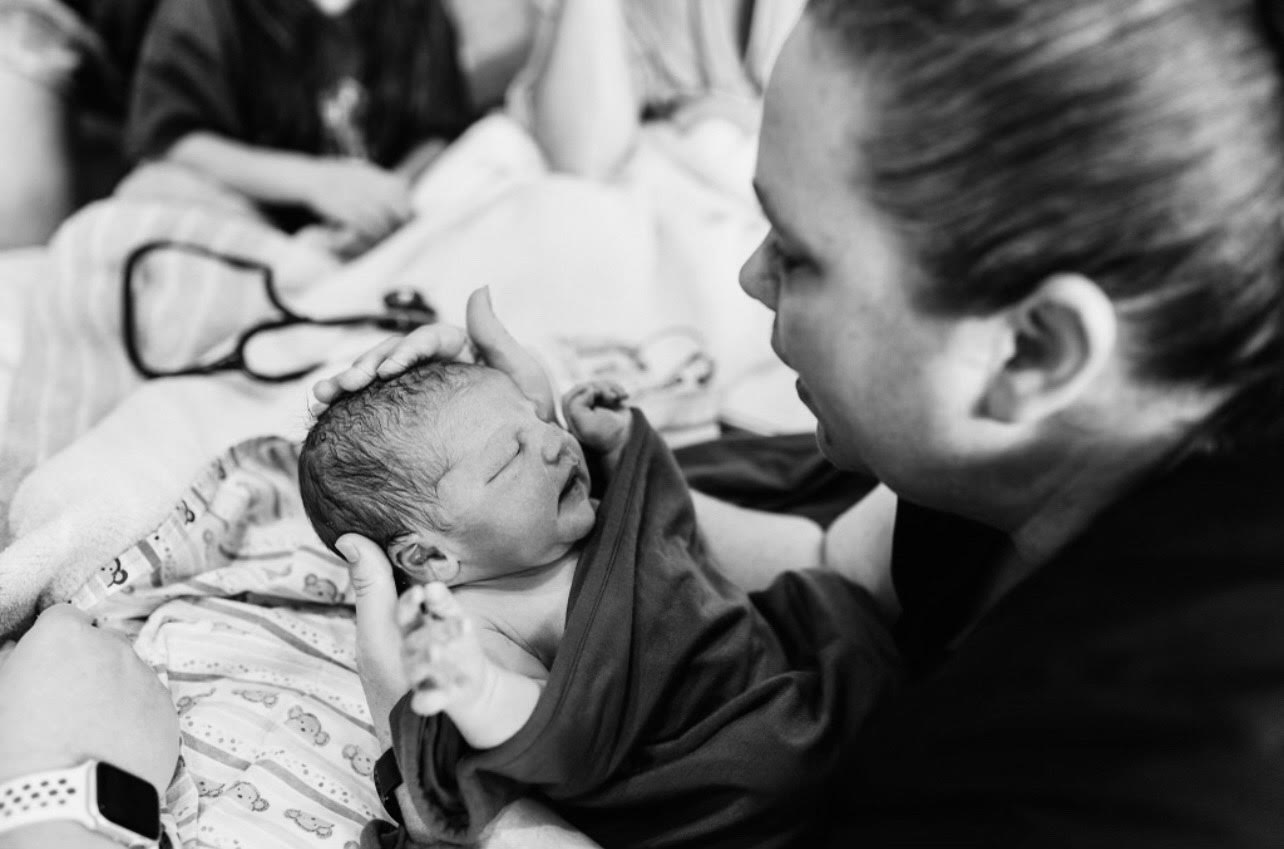
For Christina Winton, CPM, LM, owner of Agape Homebirth Services in Texarkana, this work is deeply personal. What began as a calling in her younger years has grown into a practice rooted in trust and walking closely with families through one of life’s most meaningful seasons. Over the years, she has supported around 1,000 births in various roles, each one, she says, “unique and deeply meaningful.”
Christina Winton is a Certified Professional Midwife (CPM) and Licensed Midwife (LM) serving families in the Texarkana area.
And while every birth story is different, the questions leading up to it are often the same.
Understanding Birth Options in Texarkana
One of the most common surprises for expecting parents is realizing just how many birth settings are available, and how different each one can feel.
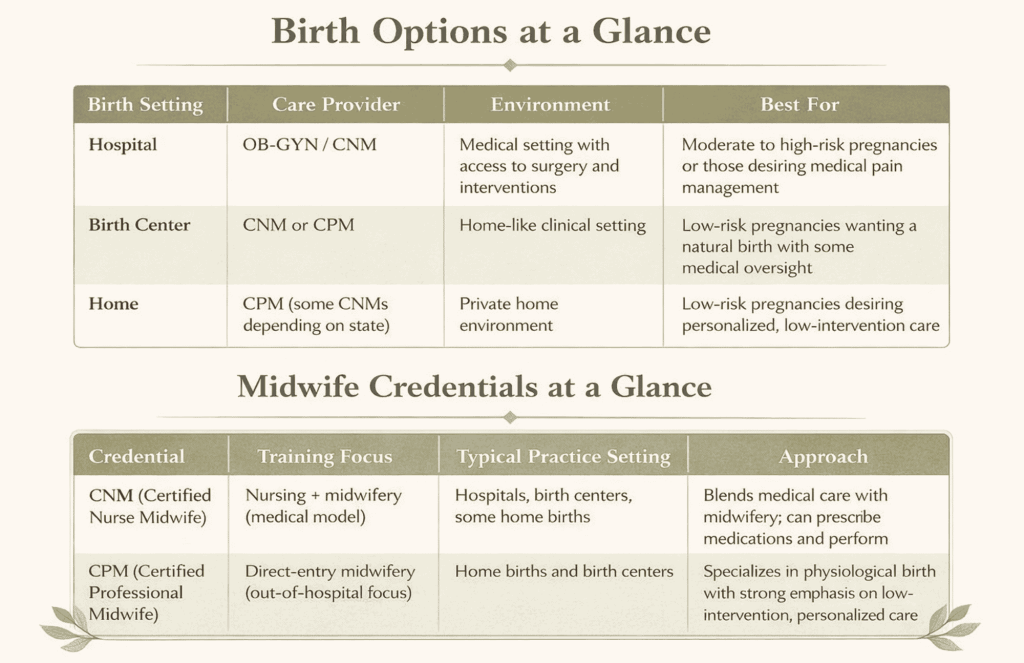
There are three main birth options in Texarkana: hospital births, birth centers, and home births.
Keep reading for a deeper look at each option.
Types of Birth Settings: Hospital, Birth Center, or Home
Hospital Births: What to Expect
Hospital births offer immediate access to medical interventions and surgical care when needed.
Birth Centers vs. Home Births
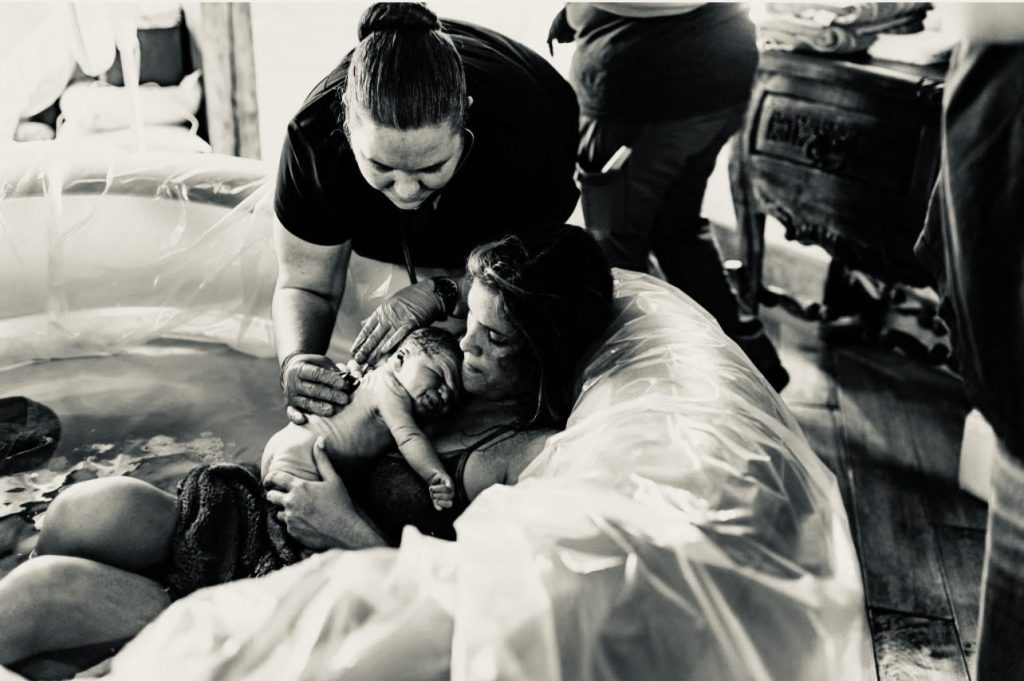
Birth centers provide a more homelike environment, balancing comfort and clinical support. Home births, for those with low-risk pregnancies, allow families to remain in a familiar, peaceful space with continuous, personalized care.
“There’s no one right choice,” Winton explains. “It’s about finding the setting that aligns with your health, your comfort level, and what matters most to you.”
Alongside those decisions comes another layer, understanding who will be providing care. The term “midwife” can mean different things, and that’s where clarity matters.
Understanding Midwives: CNMs vs. CPMs
Certified Nurse Midwives (CNMs) are trained in both nursing and midwifery, often work in hospital settings, and can provide a broader range of medical interventions. Certified Professional Midwives (CPMs), like Winton, are trained specifically in out-of-hospital birth, focusing on physiological, low-intervention care in home or birth center environments.
What often gets misunderstood, she says, is the level of training midwives bring to their work.
“There’s a belief that midwives aren’t medical professionals, but that’s simply not true,” she says. “We are trained to recognize what is normal, identify when something isn’t, and make decisions that prioritize safety every step of the way.”
What to Expect from Midwifery Care
That emphasis on both safety and personalization is what draws many families to midwifery care, especially in a community like Texarkana, where relationships matter.
Through Agape Homebirth Services, appointments last close to an hour. There’s time for questions, education, and conversation, not just measurements and checklists. That continuity of care often stands in contrast to more traditional settings, where families may see multiple providers throughout pregnancy and not know who will attend their birth.
But beyond logistics and credentials, what stands out most is the transformation Winton witnesses in mothers themselves.
“Birth is not just physical,” she says. “It’s emotional, spiritual, and deeply personal.”
She recalls one mother in particular who entered labor carrying fear from previous birth experiences. As labor unfolded, something began to shift. The room was calm. Worship music played softly. And slowly, that fear gave way to confidence.
Watching her hold her baby, this time with peace instead of anxiety, was, in her words, “incredibly powerful.”
“There is strength within you, and there is a purpose in this process.”

Safety and Support During Birth
Of course, no conversation about birth is complete without addressing safety. Midwives caring for low-risk pregnancies are trained and equipped to handle emergencies and closely monitor both mother and baby throughout labor.

When Hospital Transfers Happen
And when a hospital transfer becomes necessary, it’s approached not as a failure, but as part of the overall care process.
“My role doesn’t end there,” Winton says. “I stay with my client, support her, and advocate for her every step of the way.”
Postpartum Care and Ongoing Support
That same level of care continues after the baby arrives, a time many mothers say feels unexpectedly isolating. Postpartum home visits, ongoing check-ins, and attention to both physical and emotional recovery are part of the support she provides.
Because in the end, this journey isn’t just about birth.
It’s about stepping into motherhood.
Choosing the Right Birth Path for Your Family
For first-time moms, or any mom feeling overwhelmed by the choices ahead, her advice is simple: take a deep breath. You don’t have to figure everything out at once. Start by finding a provider who listens, who makes space for your questions, and who helps you feel seen.
For families in the Texarkana area, exploring where to give birth and understanding your childbirth options can bring clarity during this season.
From there, clarity tends to follow.
And perhaps the most reassuring truth of all?
There is no one-size-fits-all approach to birth, only the one that’s right for you.