
Safe Splash: Water Safety Tips for Kids Every Parent Should Know
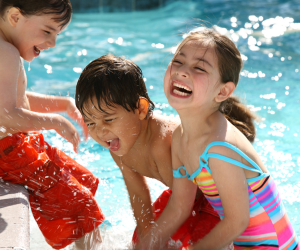
Summer days can be stifling. Heading to a pool, lake, beach or water park can provide a much needed escape for families as the temperature climbs, but it only takes moments for tragedy to strike.
To keep children, and adults, safe, it’s important to have the skills and tools necessary to be sure everyone has a safe and cool summer.
Quick Water Safety Checklist for Parents
Before heading to the pool, lake, or water park, keep these simple safety tips in mind:
- Assign a designated water watcher
One adult should be fully focused on watching swimmers. No phones, no distractions. - Use Coast Guard-approved life jackets
Especially for non-swimmers. Avoid relying on floaties, water wings, or inflatables. - Stay within arm’s reach of young or non-swimmers
Close supervision can prevent accidents in seconds. - Put distractions away
Texts, social media, and emails can wait. Your attention matters most near water. - Swim where lifeguards are present when possible
They add an extra layer of safety, but don’t replace parental supervision. - Set clear water rules before swimming
Make sure kids know expectations like staying in designated areas and asking before entering the water.
Why Water Safety for Kids Matters
“Staying vigilant to keep kids safe around water is everyone’s responsibility,” says Deric Clinton, General Manager at Big Dam Water Park in Texarkana and water safety advocate. “Vigilance requires zero distractions to ensure everyone remains safe while cooling off and having fun in the water.”
Choosing the Right Flotation Devices
Flotation devices are a great way to keep non-swimmers safer in the water, however choosing the correct flotation device is key. Coast Guard-approved flotation devices should always be the primary choice when looking to safeguard a non-swimmer. These devices have been properly tested to provide the necessary buoyancy to keep the wearer afloat and, depending on the type (e.g., Type I or II), turn unconscious persons face-up in the water.
Coast Guard-Approved vs. Inflatable Devices
Non-Coast Guard approved flotation devices such as inflatables, water-wings, or inner tubes do not provide adequate protection for young swimmers. These devices often help adults or guardians feel their child is safe with the flotation device on, however they do not properly safeguard non-swimmers because they have not been properly tested.
“Parents and caregivers often feel there is less need for supervision because their child is wearing a flotation device and that just isn’t the case at all,” Clinton says. “Flotation devices don’t replace supervision and those water wings and inflatable devices are a false sense of security.”
Why Supervision Is Non-Negotiable
Kids are filled with curiosity and sometimes a sense of adventure. When supervision of children around water is missing, kids will often lean into that curiosity and adventure by removing their flotation device and seeing if they can swim without it. That combination of curiosity and lack of supervision can potentially lead to serious accidents – situations that are often completely avoidable when an attentive adult is present.
How Distractions Put Kids at Risk
Mobile technology also plays a major role in distracting adults and guardians from properly keeping kids safe near water. We all rely on our devices; smart watches, phones, even glasses, but they can completely hijack our attention from what is happening around us.
Non-swimmers need constant attention. When we glance at a text, update social media, respond to an email, or scroll while supervising, our focus shifts. Being mindful of how we use technology while watching children in the water is critical and can be the difference between a safe moment and a dangerous one.

The Role of Lifeguards and Water Watchers
Lifeguards are a great added layer of safety. These individuals are trained to scan the water and are certified in First Aid and CPR. Swimming where lifeguards are present does help improve overall safety.
However, lifeguards should never be seen as a babysitter or the primary supervisor of a child. They are responsible for an entire area of water and multiple swimmers, while a parent or caregiver is responsible for one or a few children. Safety is strongest when multiple attentive adults are watching.
What Is a Designated Water Watcher?
“Families should also have a designated water watcher when kids are swimming in a backyard pool, the water park, a lake or any body of water,” Clinton says. “That water watcher can be the difference maker during a swim day and should prioritize those swimming above any other conversation or activity.”
Trusted Water Safety Resources for Families
Several organizations provide helpful resources and information on how to stay safe around water:
- American Red Cross
- YMCA of the USA
- PoolSafety.gov
- cdc.gov/healthy-swimming
Summer fun is just around the corner. As the heat sets in, families will be looking for ways to cool off, and being prepared with proper safety habits can help ensure those moments stay positive and safe for everyone.